Tree Planting
Tree Planting in Wanaka
We can advise you on species and location. Source trees and protection systems and if you would like we can plant, or help you plant them too. Its great to complete the cycle, keep Wanaka green and future Arborists in work!
The right tree
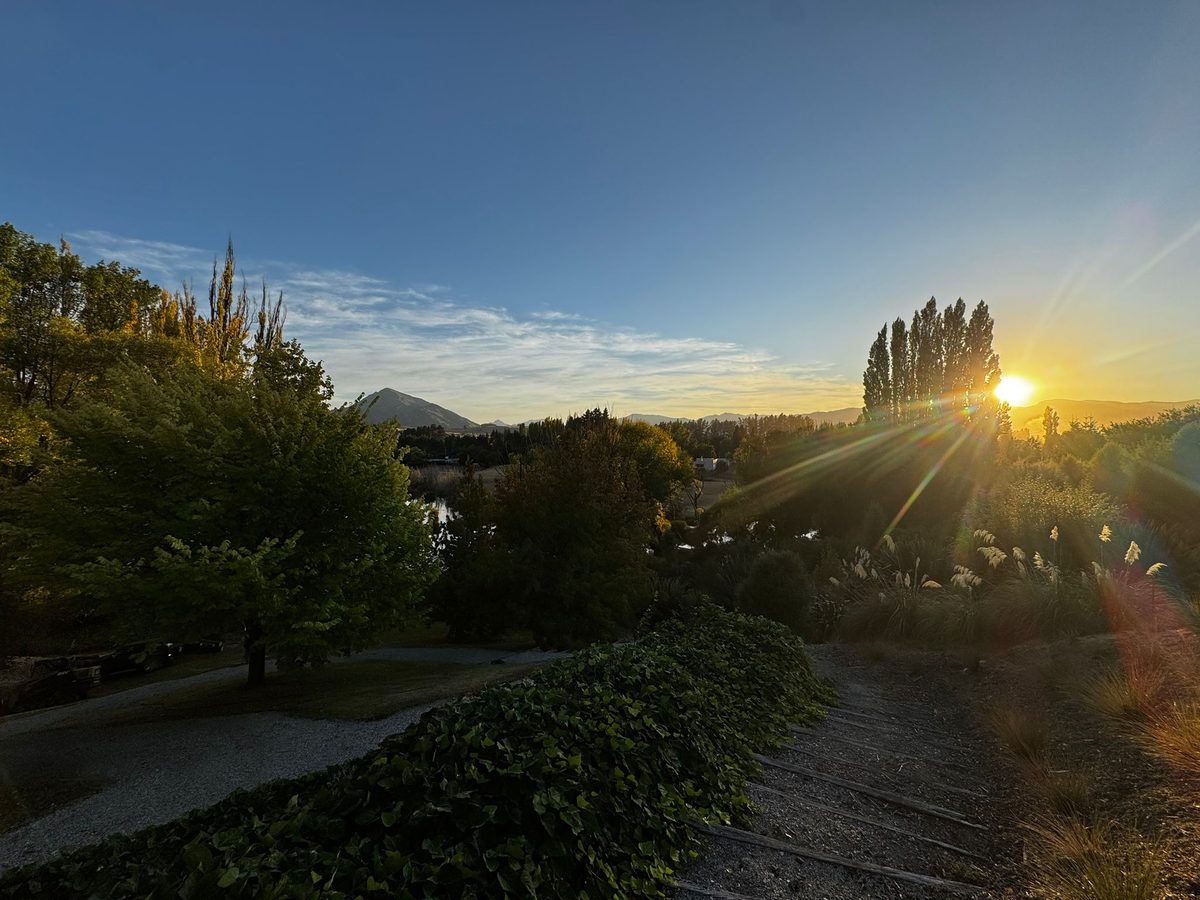
The right tree in the right place
Most of the tree problems we are called to fix started on planting day: a species that grows too big for the spot, a tree too close to the house or the drain, a shelter belt of the wrong conifer, a thirsty tree on a dry bank. Twenty years later it is a pruning job every second year or a removal. Choosing well at the start is the cheapest tree work there is.
We can advise you on species and location for the Wanaka climate, with its hot dry summers, hard frosts and nor'west winds, source the trees and the stakes, ties and guards they need, and either plant them for you or help you plant them yourself.
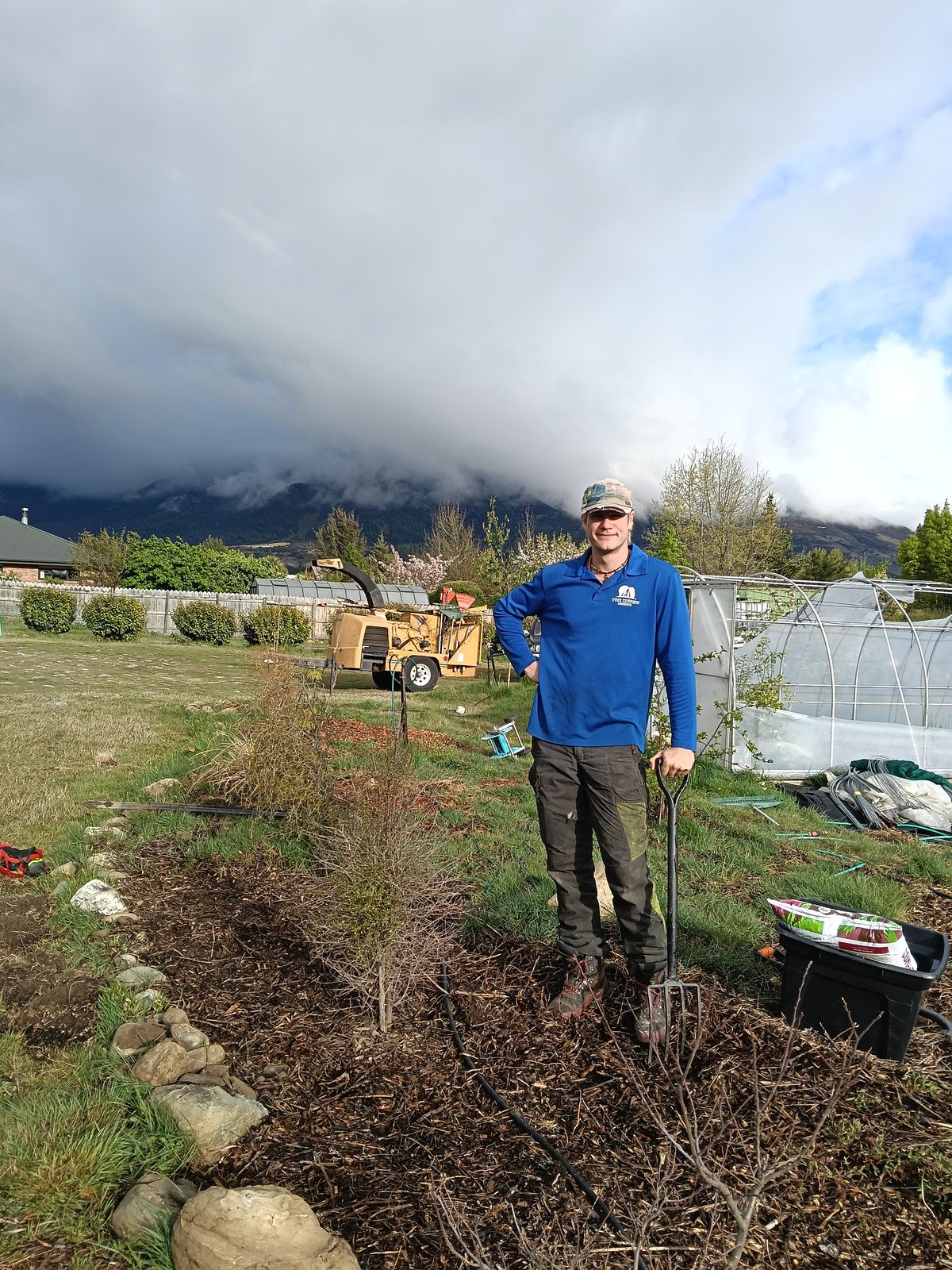
What we help with
How a planting job runs
Talk about the spot
A free visit to look at the site, the soil, the sun and the wind, and to talk about what you want the tree to do. We suggest a shortlist of species and sizes.
Source and plant
Trees are sourced from the nursery along with stakes, ties and guards. We plant them at the right depth in a hole wider than the root ball, stake them low and loosely, and mulch around them.
The first two summers
Watering through the first summers is what decides whether a young tree thrives. We leave you with simple instructions and we are a phone call away if something looks wrong.
What affects the price and timing
Planting is priced on the number and size of the trees, the cost of the stock and protection, and the ground. A few trees in good garden soil is a quick job; a shelter belt of fifty along a rocky fence line is a day with a digger. Bigger trees from the nursery give an instant result but cost more and take longer to settle than smaller ones, which often catch them up.
Autumn and early spring are the best times to plant in Central Otago, when the ground is moist and the tree is not fighting heat. Deciduous trees can go in bare-rooted through winter. Summer planting is possible with diligent watering, but it is harder on the tree. Where a tree is being planted to replace one that came down, we can plan the removal and the planting together; where an existing young tree needs its shape set, formative pruning in its first years is the other half of the job.
Tree planting questions
Which trees do well in Wanaka?
Those that cope with dry summers, hard frosts and wind: many of the deciduous European trees that give the Upper Clutha its autumn colour, natives such as kowhai, cabbage tree and the hardier beeches in the right spot, and fruit trees in a sheltered position. The right choice depends on the site, which is what the free visit is for.
Are there trees I should not plant?
Yes. Several conifers are wilding pests in Otago and should not be planted: contorta pine above all, and others that spread readily from shelter belts. The regional council's wilding conifer page linked below lists them. Big-growing species also do not belong close to houses, drains or boundaries.
How far from the house should a tree go?
At least as far as its mature canopy will spread, and further for big species. Think about roots near drains and foundations, shade on the house in winter, and branches over the roof in twenty years, not just how it looks on planting day.
When is the best time to plant?
Autumn, once the heat has gone out of the summer, or early spring. Bare-rooted deciduous trees go in through winter. Avoid planting into a dry mid-summer unless you can water reliably.
How much watering does a new tree need?
A deep soak once or twice a week through the first two summers, rather than a daily sprinkle. Mulch around the base keeps the moisture in and the grass off. After that, a well chosen tree should look after itself.
Choose with care
Wilding conifers: what not to plant
Central Otago's hills show what the wrong tree in the wrong place does over fifty years. Otago Regional Council explains that wilding conifers can have a huge impact on the environment, names contorta pine as the most invasive introduced conifer and an unwanted organism, lists species including Douglas fir, European larch and radiata pine, and says that preventing their spread is one of the most important things landowners can do.
So when we plan a shelter belt or a woodlot with you, species choice comes first. There are plenty of trees that will shelter a paddock without seeding the hill behind it.
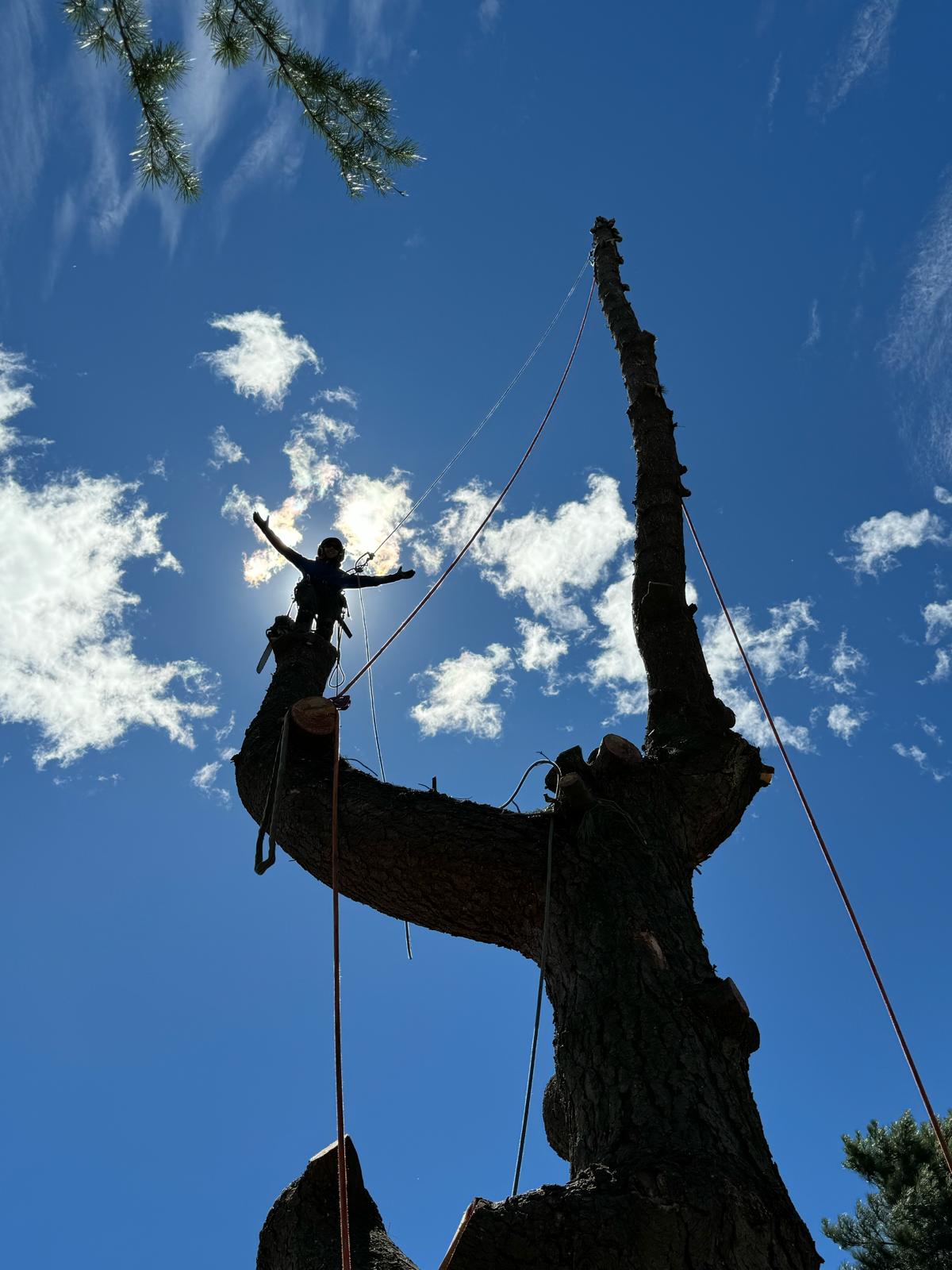
Contact us for a free consultation or some friendly advice
Its our mission to help keep trees healthy and our customers happy.
Our other services
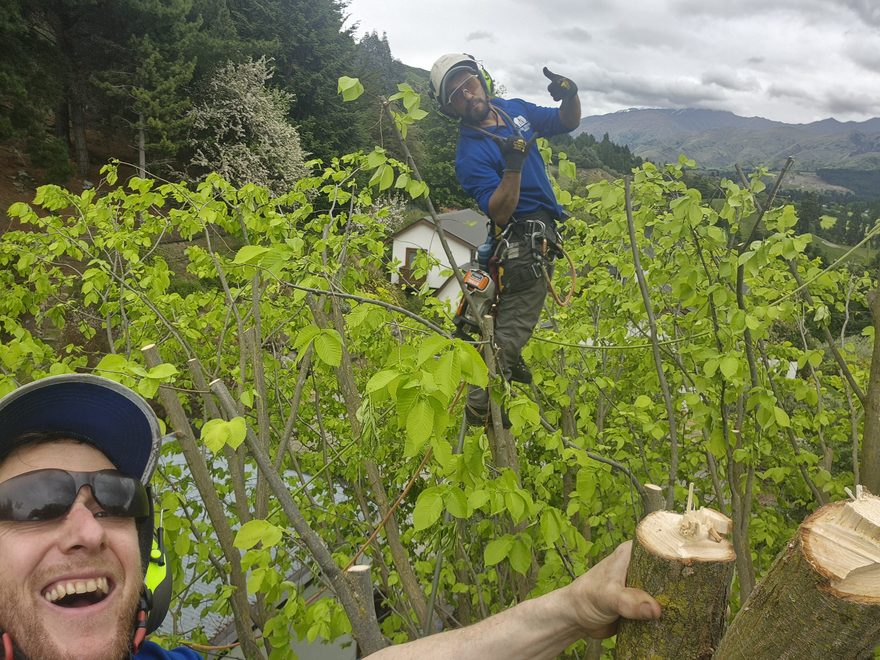
Tree Pruning
Whatever your requirements, be it for reasons of form, light, safety or aesthetics we want to provide a tree pruning solution for you.Read more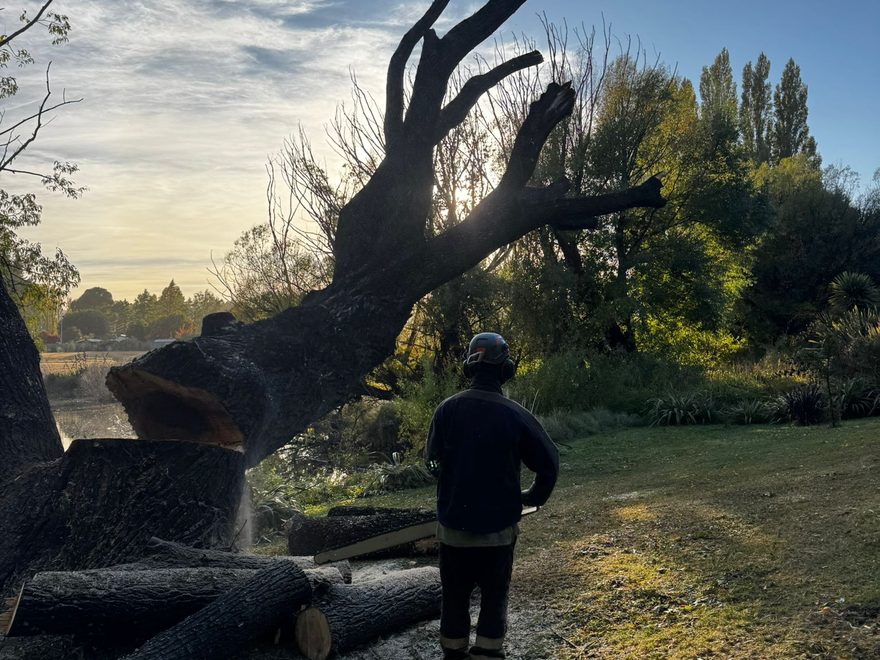
Tree Removal
Whether it is a straight forward fell or a controlled dismantle in a delicate space, we have the skills and equipment to get the job done safely and efficiently.Read more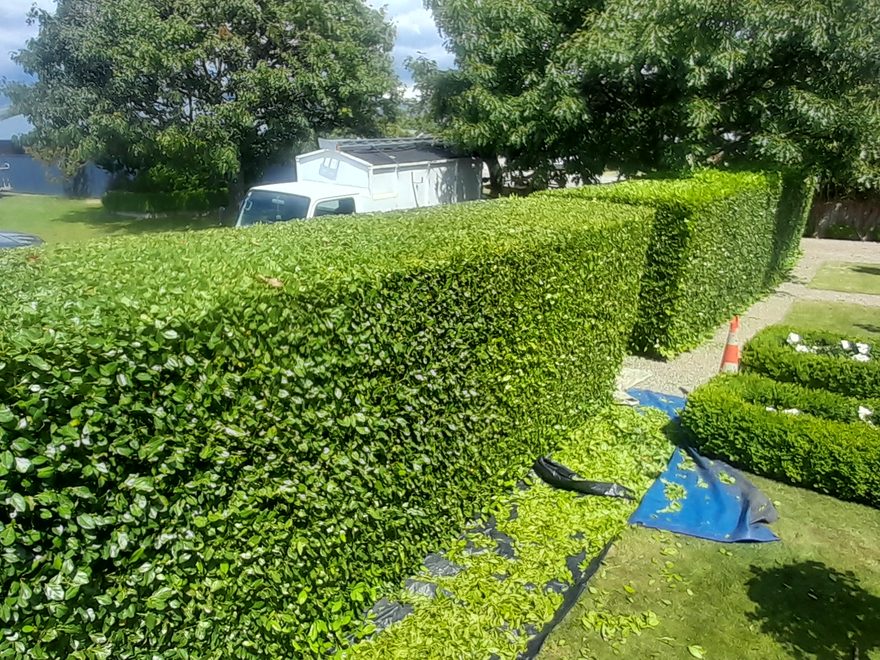
Hedge Trimming
We are expert hedge trimmers and can access those more difficult ones that you or your gardener don't want to tackle!Read more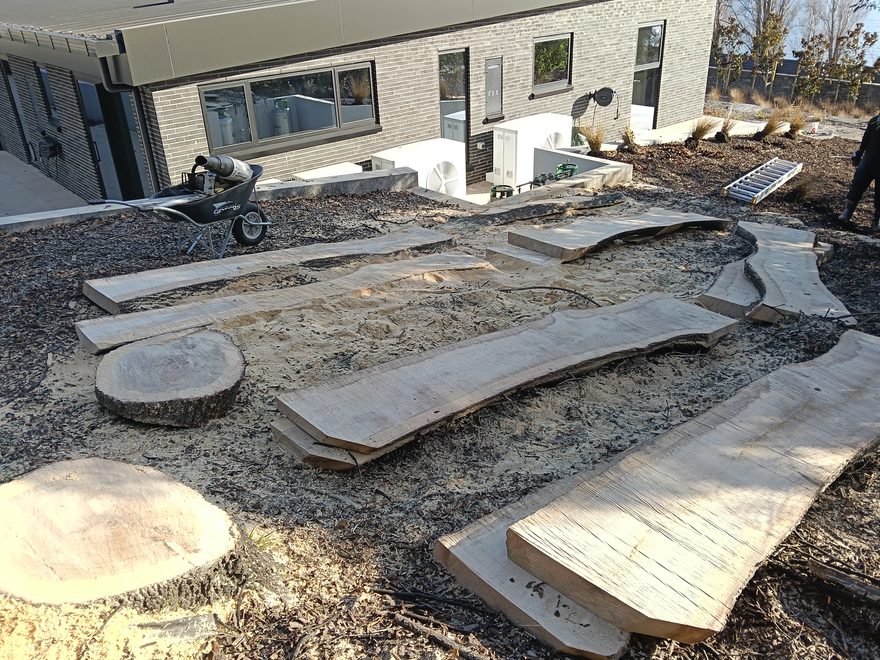
Log Milling
Too good for firewood? We can slab your valuable timber and help stack it for drying on your property.Read more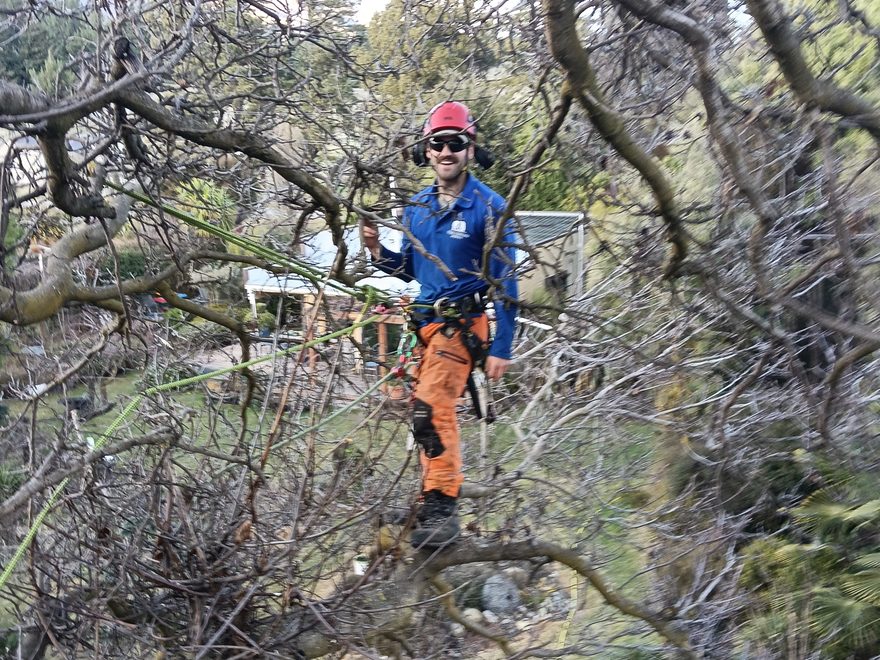
Tree Bracing
Where limbs and even whole leaders pose a safety concern but the tree's form needs to be preserved, bracing in combination with a weight reduction is a good option.Read more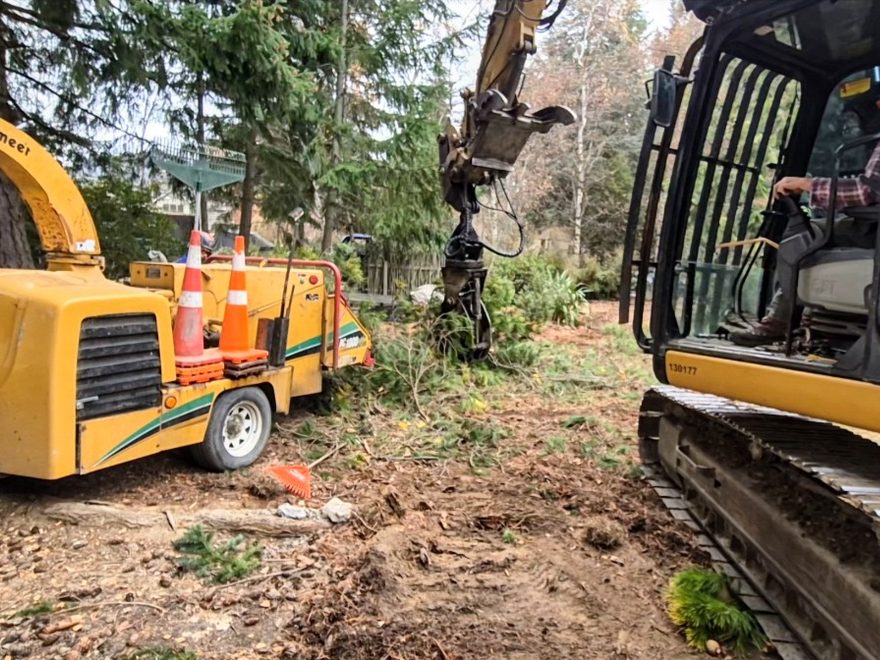
Wood Chipping
Whether its work that we have done or trees you have cut your self we can turn them into wood chip mulch.Read more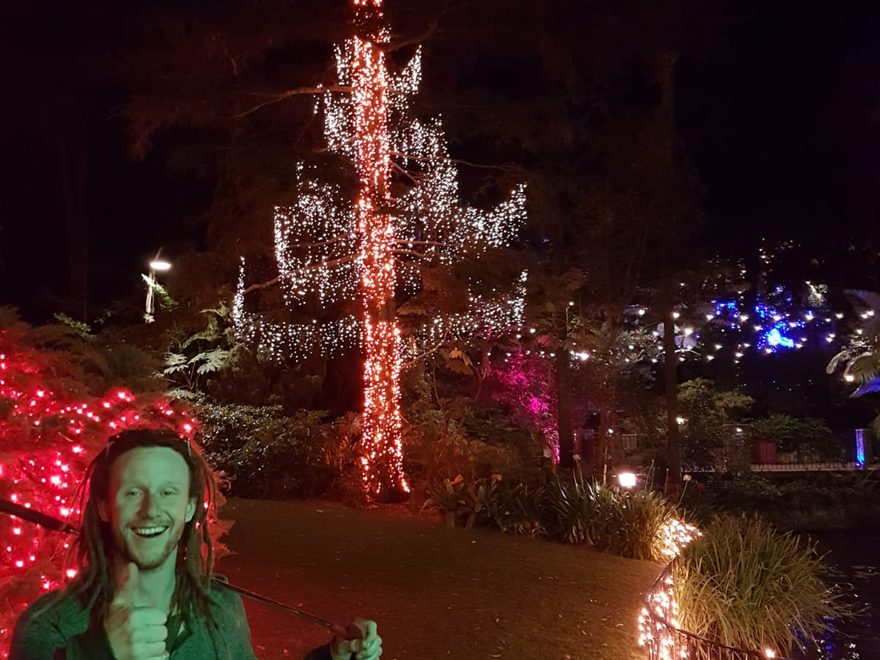
Tree Installations
We can help install lights, bird boxes, zip lines, rope swings or rescuing cats and drones. Any excuse to climb a tree!Read moreFree consultation
Contact us
Contact us for a free consultation or some friendly advice
027 516 6690- Wanaka, Otago
- Mon-Fri: 7am - 5pm
- info@treescompany.co.nz