Tree Pruning
Tree Pruning in Wanaka
Whatever your requirements, be it for reasons of form, light, safety or aesthetics we want to provide a tree pruning solution for you.
What pruning does
Pruning is about the tree's future, not just today's tidy-up
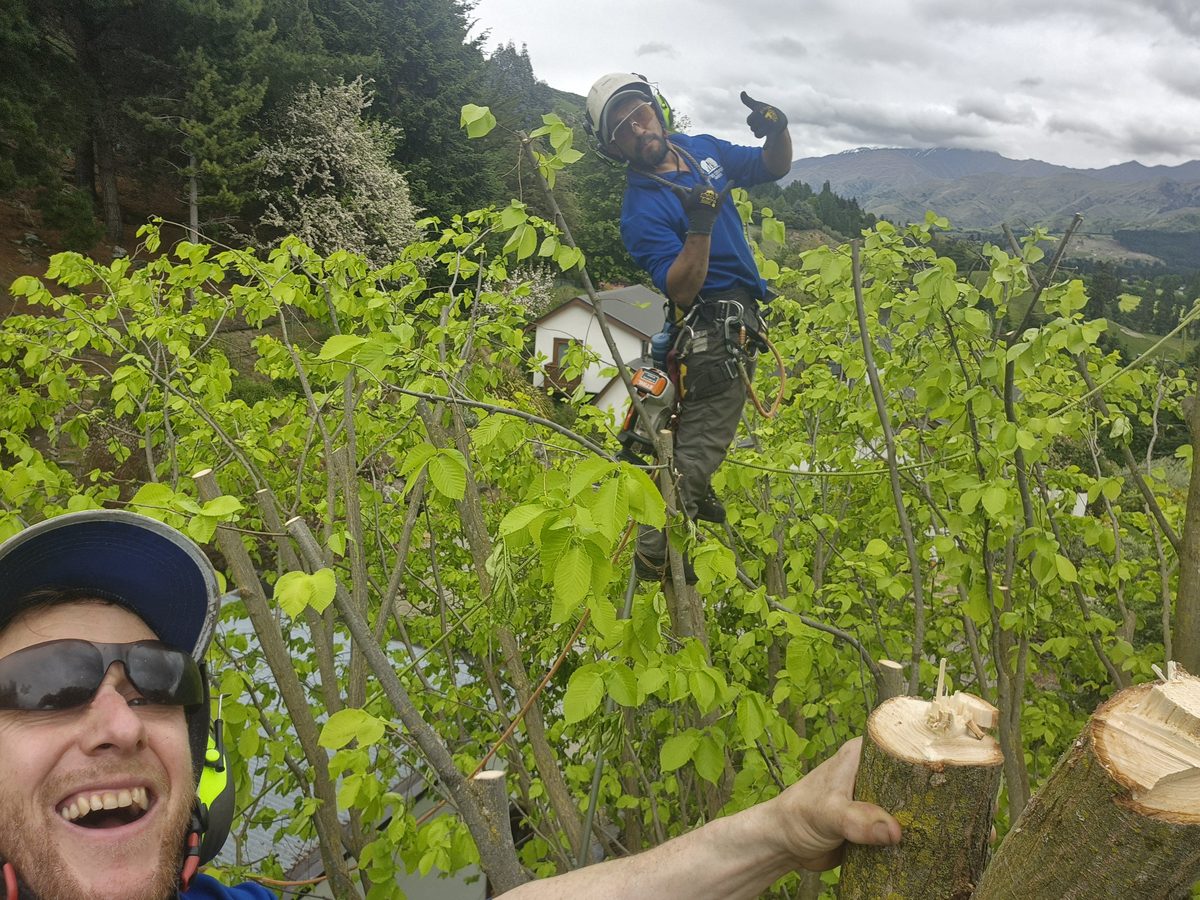
Good pruning sets a tree up for the next twenty years. It decides where the weight sits, how much light reaches the ground and your windows, and whether a branch will still be there after the next nor'wester. Done well, you barely notice it has happened. Done badly, with big flush cuts and topped leaders, the tree answers with a thicket of weak regrowth and a lot of decay.
We can formatively prune your young trees to establish a desirable shape and give them the best chance in life. For older trees there is a range of options, and we will tell you which one suits the tree in front of us rather than selling you the biggest job.
The pruning options
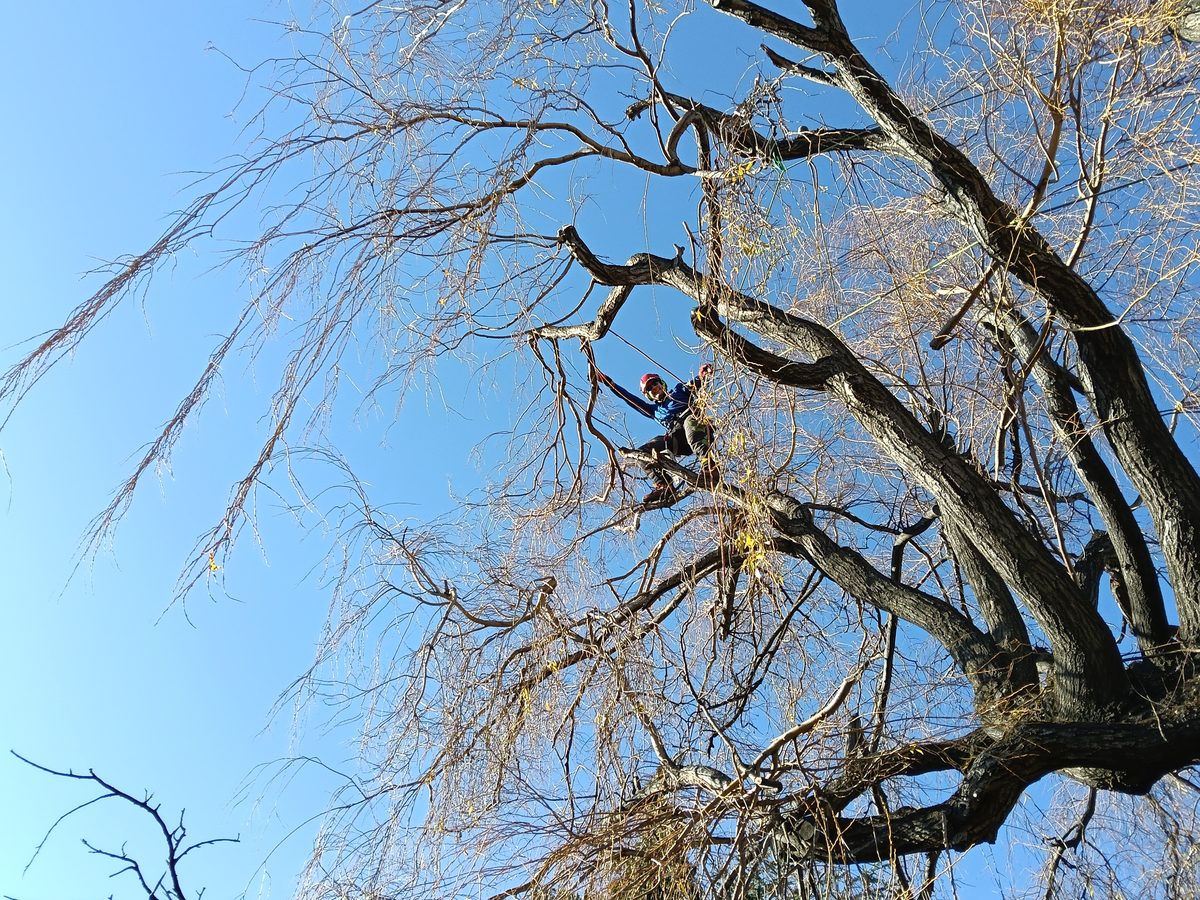
These are the jobs we are most often asked for. The right one depends on the species, the age of the tree and what you need from it.
How a pruning job runs
Every job starts with a conversation under the tree.
A free look at the tree
We come out, look at the tree and the space around it, and ask what you want: more light, less mess, a safer tree, a better shape. You get a price before anything is booked.
The right cuts, in the right places
Pruning cuts are made back to a branch collar or a suitable side branch, so the tree can seal the wound. We advise against topping trees or leaving stubs, because both lead to weak regrowth and decay.
Clean up and mulch
The brush goes through the chipper on the day. Keep the mulch for your garden or we take it away. Larger wood can be cut into rounds for firewood.
What affects the price and timing
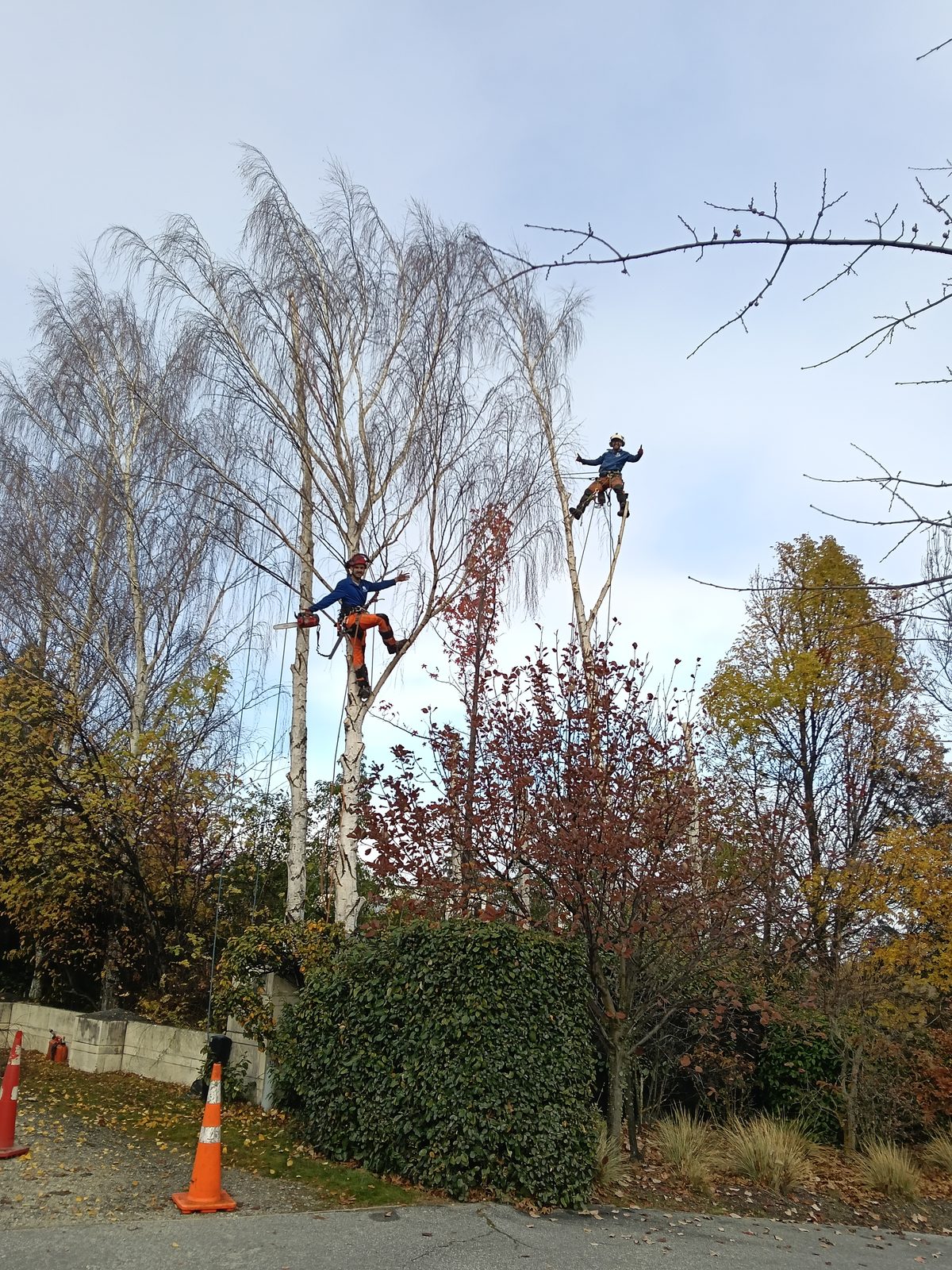
Three things set the price of a pruning job: the size and species of the tree, how much of it needs to come off, and how easy it is to get to. A young tree on an open lawn is an hour's work. A large, old deciduous tree hanging over a roof and a neighbour's fence needs a climber, a ground person and a careful plan for every limb.
Timing matters too. Deciduous trees are easiest to assess and prune when they are bare in winter, and many fruit and flowering trees have a season they should not be cut in. Evergreens and conifers are more forgiving. If a branch is dangerous, the right time is now, whatever the season, and we will say so.
If you are weighing up pruning against removing a tree altogether, our tree removal page explains when removal is the honest answer. Where a tree has a weak fork or a heavy limb that is worth keeping, bracing and cabling can work alongside a weight reduction.
Tree pruning questions
How much can you take off a tree at once?
Less than most people expect. A tree feeds itself through its leaves, so removing a large share of the canopy in one go starves it and triggers a flush of weak growth. A crown reduction keeps the tree's shape and takes a modest proportion off; if a tree needs to be much smaller than that, it may be the wrong tree for the spot.
When is the best time of year to prune?
It depends on the species. Deciduous trees are usually pruned when dormant in winter. Some stone fruit trees are better pruned in late summer to avoid disease. Hedges and conifers are trimmed in the growing season. Dead, broken or dangerous branches can be removed at any time.
Will pruning stop my tree dropping leaves on the roof?
Crown lifting and reducing the branches over the roof will cut the amount of litter a great deal, but a tree in leaf will always drop something. If the goal is a roof with nothing over it at all, that is a conversation about the whole tree.
Can you prune a tree that is close to power lines?
Work near power lines has its own safety rules and clearance distances, and the lines company often has to be involved. Tell us where the lines are when you get in touch and we will advise on what can be done and who needs to do it.
Do you prune fruit trees?
Yes, for shape and health or for maximum crop. Formative pruning of a young fruit tree is one of the best investments you can make in it. Ask about timing, because some fruit trees should not be cut in winter.
Trained for the job
Why use a qualified arborist
Anyone with a chainsaw can cut a branch off. Knowing which branch, where to cut it and how to get there safely is the trade. The New Zealand Arboricultural Association puts it plainly: arborists are trained and equipped to provide proper care, and tree work should only be done by people trained and equipped to work safely in trees.
Trees Company is a qualified and insured business with over 20 years in arboriculture across New Zealand, Australia and the UK. Call for a free consultation and we will tell you what your trees actually need.
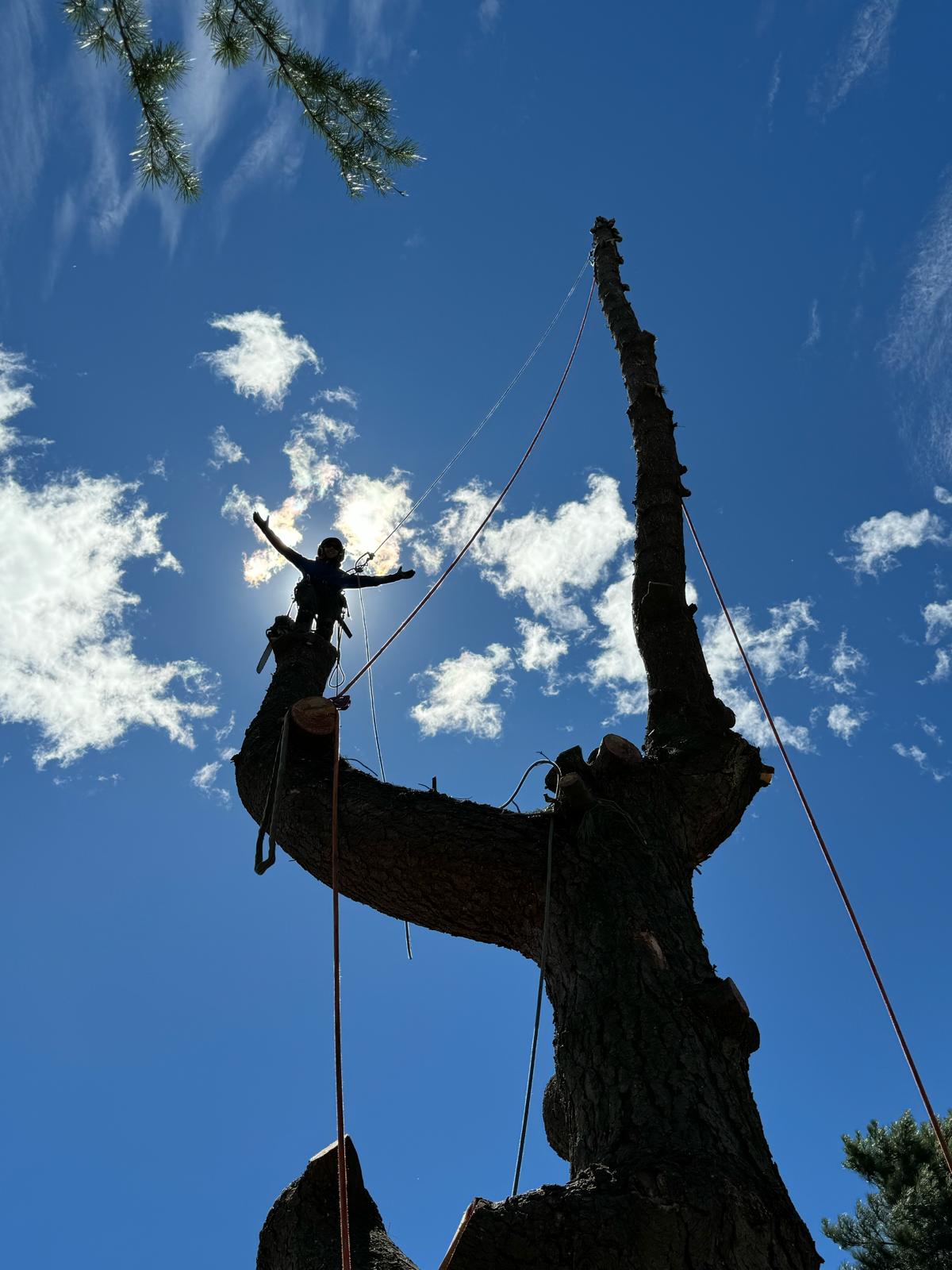
Contact us for a free consultation or some friendly advice
Its our mission to help keep trees healthy and our customers happy.
Our other services
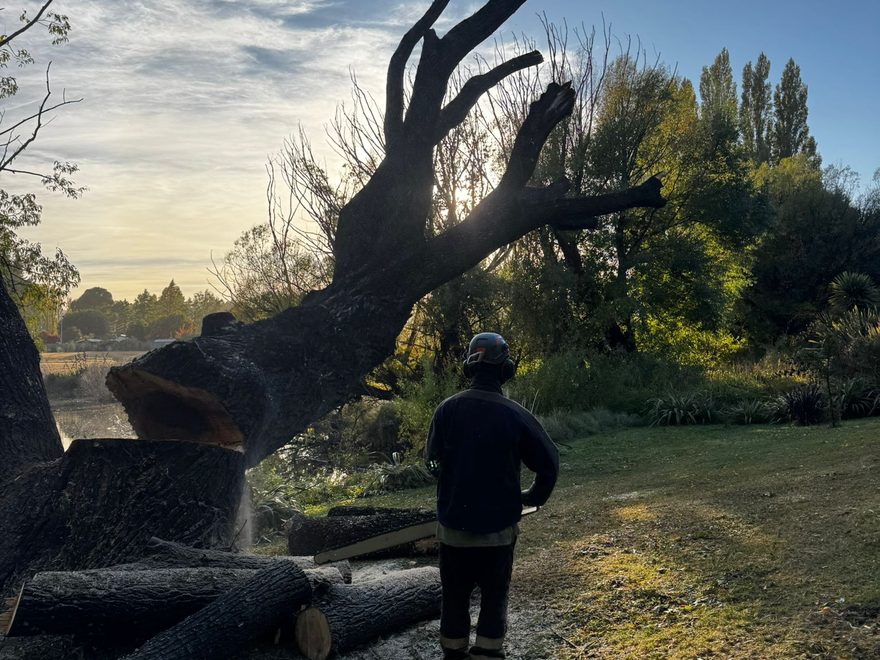
Tree Removal
Whether it is a straight forward fell or a controlled dismantle in a delicate space, we have the skills and equipment to get the job done safely and efficiently.Read more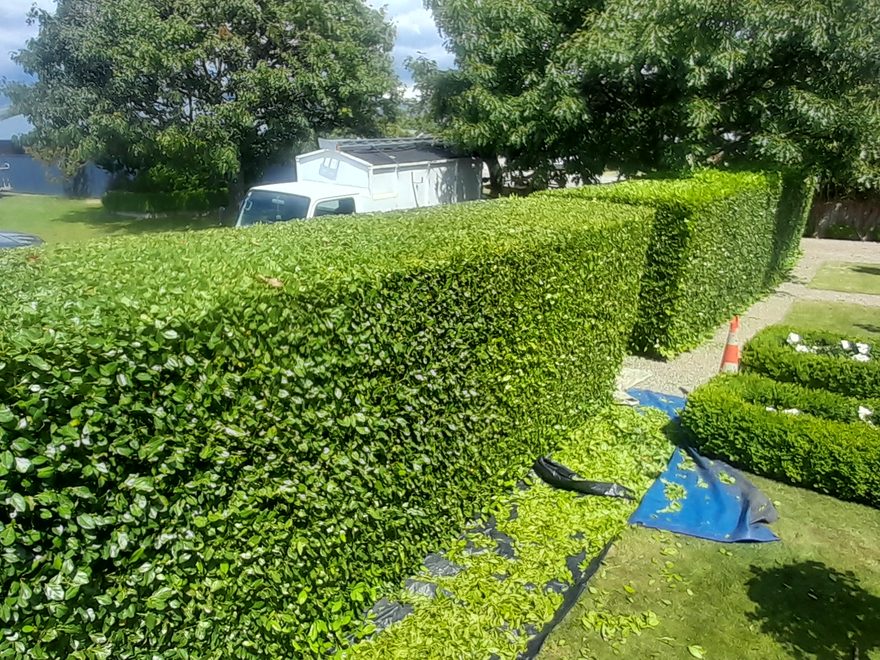
Hedge Trimming
We are expert hedge trimmers and can access those more difficult ones that you or your gardener don't want to tackle!Read more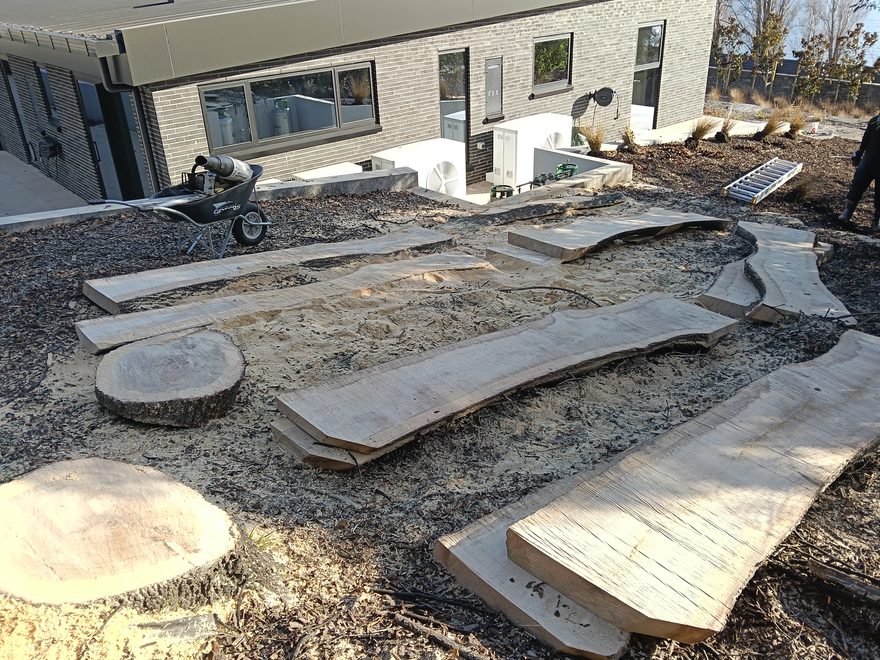
Log Milling
Too good for firewood? We can slab your valuable timber and help stack it for drying on your property.Read more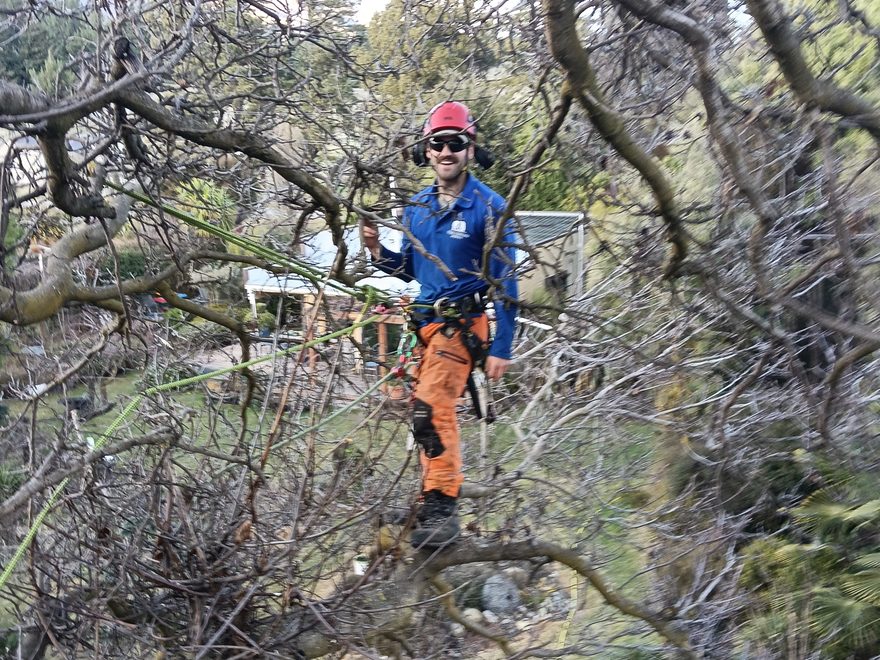
Tree Bracing
Where limbs and even whole leaders pose a safety concern but the tree's form needs to be preserved, bracing in combination with a weight reduction is a good option.Read more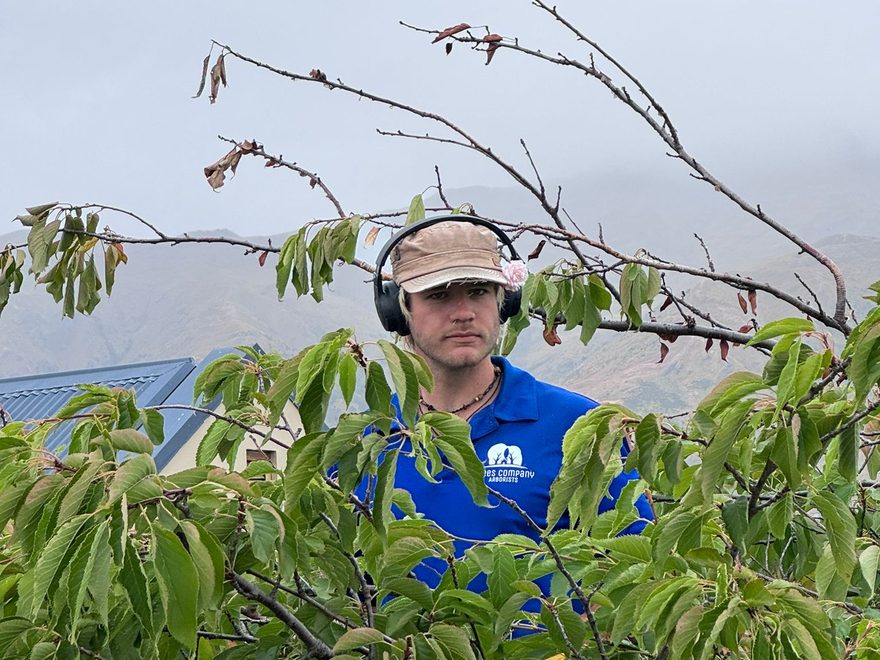
Tree Planting
We can advise you on species and location. Source trees and protection systems and if you would like we can plant, or help you plant them too.Read more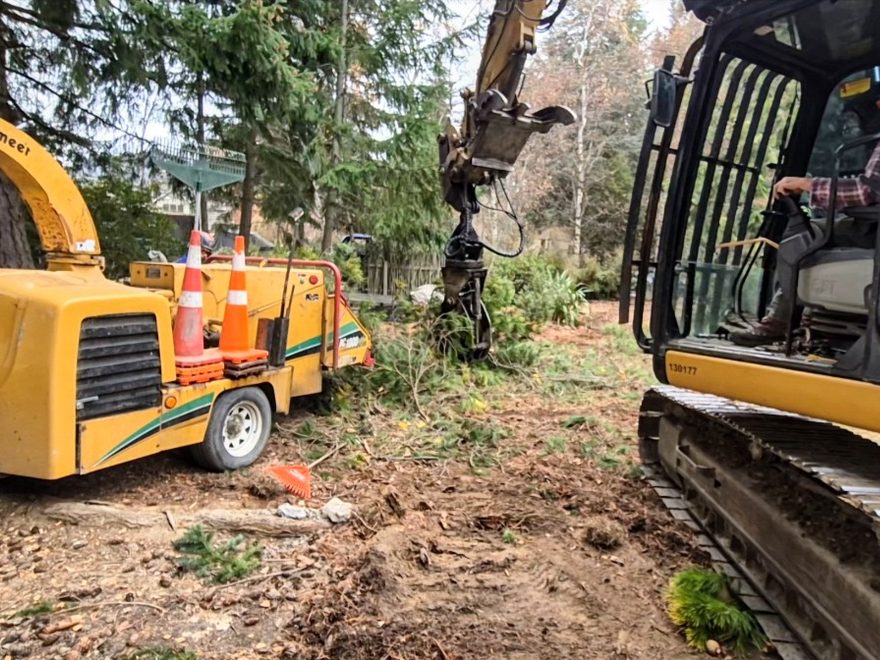
Wood Chipping
Whether its work that we have done or trees you have cut your self we can turn them into wood chip mulch.Read more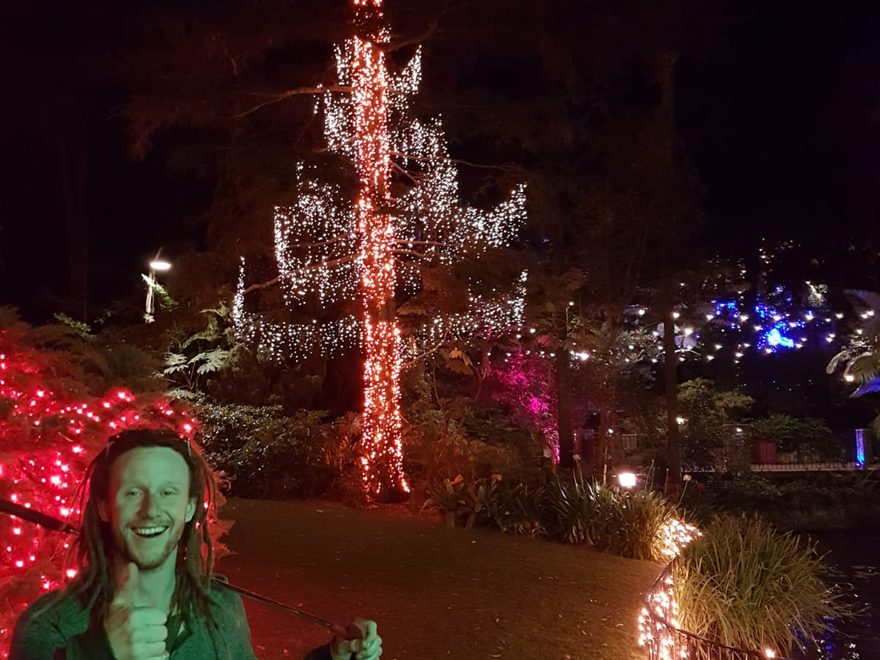
Tree Installations
We can help install lights, bird boxes, zip lines, rope swings or rescuing cats and drones. Any excuse to climb a tree!Read moreFree consultation
Contact us
Contact us for a free consultation or some friendly advice
027 516 6690- Wanaka, Otago
- Mon-Fri: 7am - 5pm
- info@treescompany.co.nz